
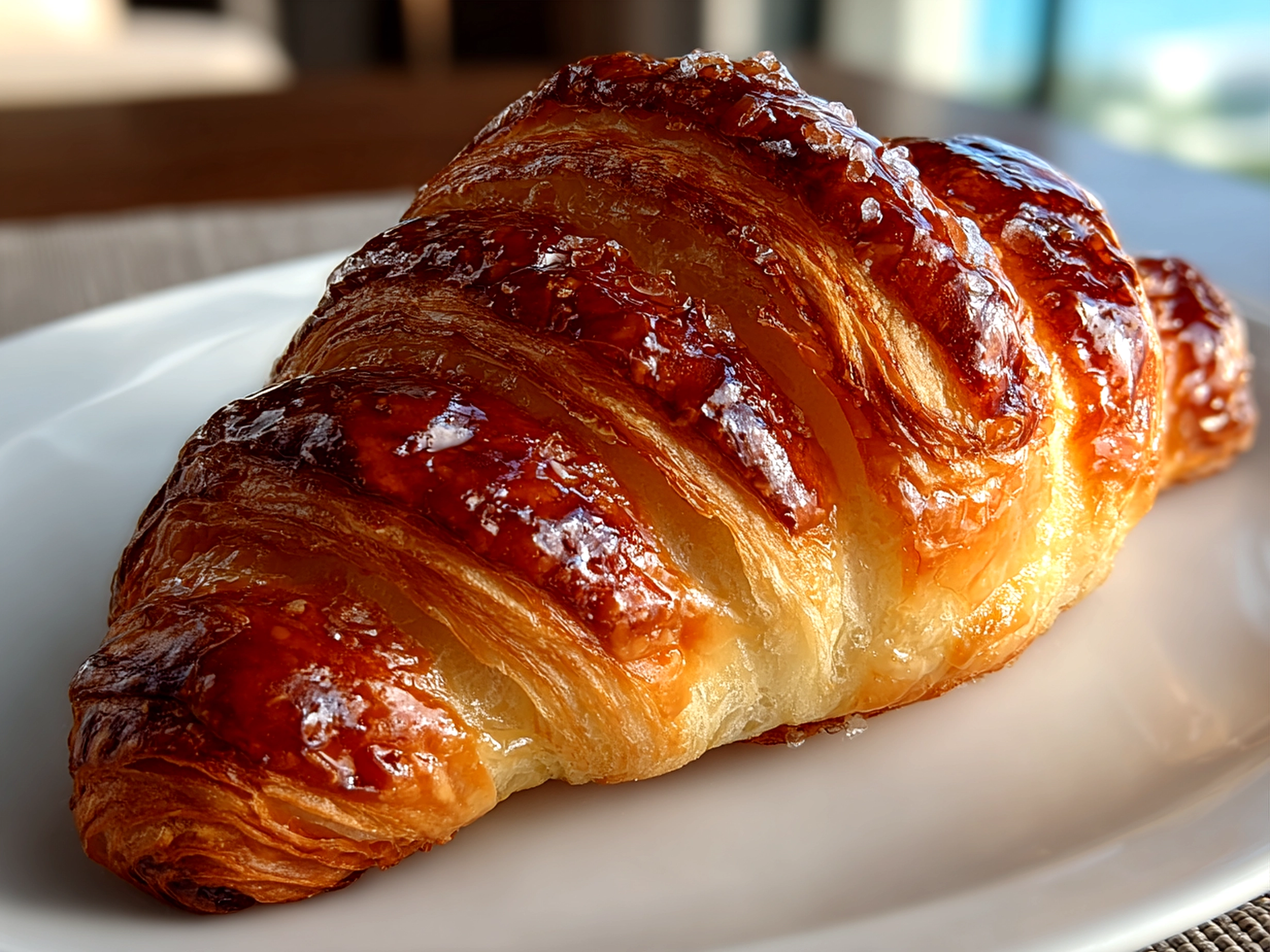
There’s a certain magic that happens when you bring a French Croissant into your kitchen. I remember the first time I decided to try making these buttery croissants myself—it started as a late-night kitchen experiment fueled by equal parts craving and curiosity. As the laminated dough came together, with its layers of flaky pastry unfolding under my fingers, the anticipation was real. When I finally pulled the golden, flaky French Croissant out of the oven, the smell alone made me do a little happy dance. That first bite? Pure buttery bliss, like a cozy hug with bold flavor wrapped inside. From that moment, French Croissant wasn’t just breakfast—it became my go-to treat that turns ordinary meals into something special.
My excitement for French Croissant keeps growing because it’s all about turning classic Viennoiserie into bold, satisfying comfort food you can enjoy anytime. I love adding my own spin to the croissant recipe, mixing in flavor boosters or fusion twists that make every bite sing. If you’re a fellow food lover who thrives on comfort food with a twist, you’re going to love exploring this flaky pastry adventure with me. It’s all about those layers of buttery joy and the thrill of creating something that looks and tastes like a bakery secret—right in your own kitchen!
Plus, when I’m not busy flipping croissants, I dive into other bold flavors you’ll adore, like my French Onion Beef Sloppy Joes or these incredible French Onion Meatballs. If you love classic croissants but want to bring some new life to them, check out this amazing guide on how to make buttery, flaky homemade croissants. It’s a flavor adventure you don’t want to miss.
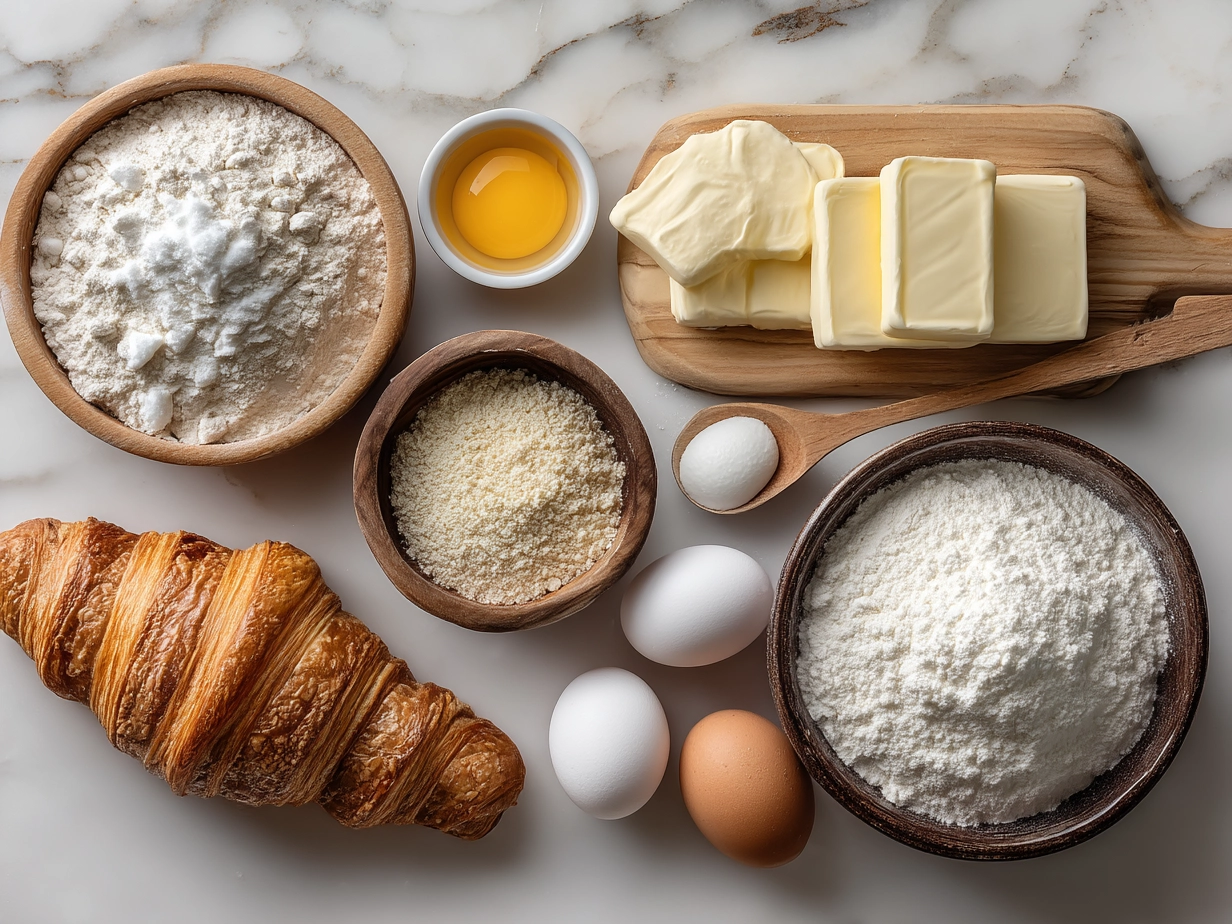
Ingredients You Need
This French Croissant ingredient list is all about bold flavors that actually work together! Here’s what you’ll need to get started on flaky pastry magic:
- 3 1/4 cups (400g) all-purpose flour – You can grab this during your normal shopping trip.
- 1/4 cup (50g) granulated sugar – Adds just the right sweet touch.
- 2 teaspoons salt – Balances flavors perfectly.
- 1 tablespoon active dry yeast – If you don’t have active yeast, instant yeast works great too.
- 1 cup (240ml) whole milk, warm – Makes this French Croissant wonderfully tender.
- 3/4 cup (170g) unsalted butter, cold – This is what gives your croissant that signature buttery croissant taste!
- 1 egg, beaten (for egg wash) – I love brushing extra egg wash on top for a golden finish.
- Optional: 1 tablespoon melted butter (for brushing) – Adds sheen and extra buttery flavor after baking.
No worries if you don’t have time for homemade laminated dough—there’s a shortcut with quality frozen puff pastry, but making it yourself captures the authentic flaky layers that make French Croissant iconic. For busy weeknights, prepping the dough the night before is a lifesaver. Just wrap it tightly and store in the fridge to keep your buttery croissant fresh.
If you want some extra flavor in your French Croissant, I love throwing in a touch of vanilla or cinnamon sugar before folding the dough. It’s a little twist that makes the final bite unforgettable.
Need more tips on nailin’ that flakey pastry? Check out this guide on The Art of Croissant Lamination for Perfectly Flaky Pastry, it’s a gamechanger for your French Croissant game!
Let’s Make Some!
Ready to bring that flaky pastry dream to life? Making French Croissant is a joyful journey, and I’m with you every buttery step of the way.
- Activate your yeast: In a small bowl, mix warm milk with the sugar and sprinkle yeast on top. Let it sit for 5-10 minutes until frothy—this is where the magic starts happening!
- Mix the dough: In a large bowl, combine flour and salt. Pour in your yeast mixture and gently mix until it forms a shaggy dough. Knead for about 5-7 minutes until smooth but still slightly tacky. In my kitchen, this French Croissant dough takes about 10 minutes total to come together.
- Chill the dough: Shape your dough into a rectangle, cover with plastic wrap, and refrigerate for at least an hour. This makes the dough easier to handle during lamination.
- Prepare the butter block: Place cold butter between two sheets of parchment. Use a rolling pin to flatten it into a 7×7 inch square. Keep it cold—this keeps those flaky layers popping.
- Laminate your dough: Roll out the chilled dough into a larger square, place the butter block in the center, fold the dough over the butter, and seal all edges. Then roll it out into a long rectangle. Fold the dough into thirds like a letter – this is your first turn. Chill the dough for 30 minutes. Repeat this rolling and folding two more times for a total of three turns; this creates your signature flaky French Croissant layers.
- Shape and proof: Roll out the laminated dough into a rectangle roughly ¼ inch thick. Cut into triangles, then roll each triangle up starting from the base to the point. Place shaped croissants on a parchment-lined baking sheet, brush with egg wash, and let rise in a warm spot until doubled in size. Your kitchen will smell absolutely incredible right now!
- Bake: Preheat your oven to 375°F (190°C). Bake croissants for 15-20 minutes until golden and puffed. Don’t worry if your French Croissant looks a little rustic; that homemade charm is part of the magic.
Made it? High five! While your French Croissant is baking, I usually get excited preparing a cup of coffee or planning my next bold flavor twist. If you want a detailed step-by-step, this homemade French Croissants step by step recipe is my go-to for extra guidance.
How to Serve Up This!
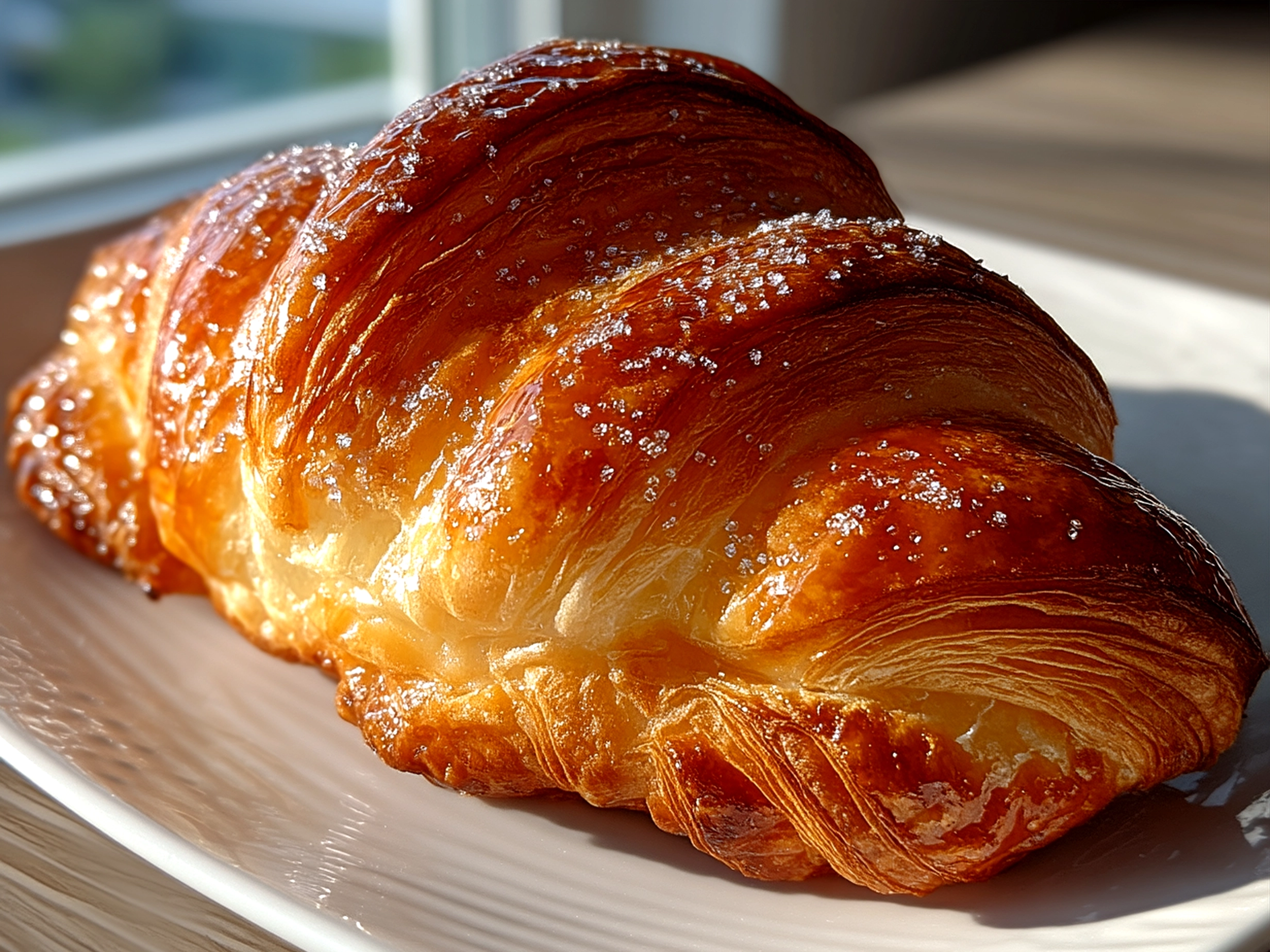
People literally do happy dances when this French Croissant hits the table with a smear of rich butter and a dab of homemade jam. I love serving it fresh and warm paired with strong coffee or a creamy latte. French Croissant is perfect for weekend brunch or a special weeknight treat that feels fancy without the fuss.
For a bold flavor punch, try filling your buttery croissant with ham and Gruyère for a Parisian-style sandwich, or even a spicy chicken salad for a fun fusion twist. These flaky pastries also make incredible breakfast sandwiches you can check out in my croissant breakfast sandwiches recipe.
Leftover French Croissant? No problem! Slice and toast it the next morning with melted cheese or transform it into decadent croissant French toast. This comfort food with a twist works for any occasion—game nights, casual brunches, or simply when you need a cozy moment with big flavor.
When I serve French Croissant at get-togethers, friends are always amazed—those buttery layers and flaky pastry structure are show-stoppers. The texture and flavor are like a little vacation in every bite!
FAQs:
Will kitchen newbies succeed with this French Croissant?
Absolutely! It’s not as intimidating as it looks. Start by following the steps slowly and take your time laminating the dough. My favorite tip is keeping everything cold and resting between folds. Even if your croissants don’t come out perfect, they still taste incredible. Trust me, every French Croissant I’ve made has had its funny moments but ended in happy bellies!
What if I mess up my French Croissant?
Spoiler: your French Croissant will still taste amazing! If your layers don’t separate perfectly or your croissants are a little misshapen, those buttery flavors will shine through. My first batch looked like lopsided triangles but the taste got rave reviews.
How can I prep this French Croissant for busy weeknights?
You can prep the laminated dough up to a day ahead and store it in the fridge. Or freeze shaped croissants and bake them fresh when you want. This way, delicious French Croissant is always at your fingertips without the time crunch!
Can I make French Croissant without laminating dough?
Yes, but you’ll miss out on those flaky pastry layers. For a quick shortcut, puff pastry can be used, but the texture isn’t quite the same. For best results, give the lamination technique a try! Here’s a fantastic resource on how to make buttery, flaky homemade croissants that breaks it down beautifully.
What’s the difference between French Croissant and other croissants?
French Croissant typically uses a laminated dough with layers of butter folded in to create texture. This Viennoiserie classic has a crisp exterior and soft, layered interior. Different regions add their own twists, but the buttery croissant remains the star everywhere.
Any flavor variations you recommend?
Yes! I’ve tested almond-filled French Croissant, ham and cheese croissants, and even chocolate-stuffed versions. Each brings a unique jump of joy to the flaky pastry. For fusion fans, try pairing the flaky pastry with spicy curry chicken for a satisfying sandwich. Check out this inspiring post on The Art of Croissant Lamination for Perfectly Flaky Pastry for creative flair.
How long do French Croissants keep?
Fresh is best, but you can store your croissants in an airtight container for up to two days. Reheat them lightly in the oven to revive that crisp exterior. Leftovers transform beautifully into croissant French toast or sandwiches.
Conclusion
French Croissant brings me so much joy because it’s the perfect mix of flaky pastry and bold buttery croissant flavor that brightens any meal. My French Croissant Flavor Secrets let me create croissants that always make the table happier:
- Always keep your butter and dough cold during lamination for those unforgettable layers.
- Don’t rush proofing—patience gives you a light, airy texture.
- Add a bit of extra egg wash glaze for that golden, irresistible finish.
I’ve tested so many variations—from classic buttery croissants to almond-stuffed treats and even savory options with ham and cheese. Each version calls for a different occasion. Classic French Croissant shines for breakfast or brunch. The filled versions make incredible party bites or lunch surprises.
I encourage you to trust your taste buds and get creative. The best part about making French Croissant is the delicious magic you create along the way, layers of buttery joy coming alive in your kitchen. I’m beyond excited for your flavor adventures ahead!
If you loved this recipe, keep that comfort food streak going with my croissant breakfast sandwiches, or dive into the deep rich tastes of my French Onion Beef Sloppy Joes and French Onion Meatballs. For more tasty tips and tricks about buttery croissants, these guides on homemade French croissants and flaky croissant-making are absolute must-reads.
Here’s to flaky layers, buttery croissants, and plenty of happy dances at your table!
French Croissant

Classic French croissants are buttery, flaky pastries perfect for breakfast or a delightful snack. Made from layered yeast-leavened dough, they offer a tender, airy texture with a golden crust.
- Prep Time: 30 minutes
- Cook Time: 20 minutes
- Total Time: 3 hours 50 minutes
- Yield: 12 croissants
- Category: Breakfast
- Method: Baked
- Cuisine: French
Ingredients
- 4 cups all-purpose flour
- 1/2 cup warm milk
- 1/2 cup warm water
- 1/4 cup granulated sugar
- 2 1/4 tsp active dry yeast (1 packet)
- 1 tsp salt
- 1 cup unsalted butter, cold
- 1 egg (for egg wash)
Instructions
- In a bowl, dissolve yeast in warm water and let it activate for 5 minutes.
- Mix flour, sugar, and salt in a large bowl; add warm milk and activated yeast mixture.
- Knead the dough until smooth, then cover and refrigerate for 1 hour.
- Roll out the chilled dough on a floured surface into a rectangle.
- Place the cold butter in the center, fold dough over to encase butter, and roll out again.
- Perform three turns of folding and rolling, chilling the dough 30 minutes between each turn.
- Roll dough out and cut into triangles; roll each triangle into a crescent shape.
- Place croissants on a baking sheet, cover, and let rise for about 2 hours until doubled in size.
- Brush croissants with beaten egg for a golden crust.
- Bake at 375°F (190°C) for 15-20 minutes until golden brown.
Notes
For an extra touch, you can add chocolate or almond paste inside the croissants before rolling them up.